

USask Assessment Champions share learnings in upcoming Assessment Conference
The USask conference will feature world-renowned researcher, Professor Phillip Dawson
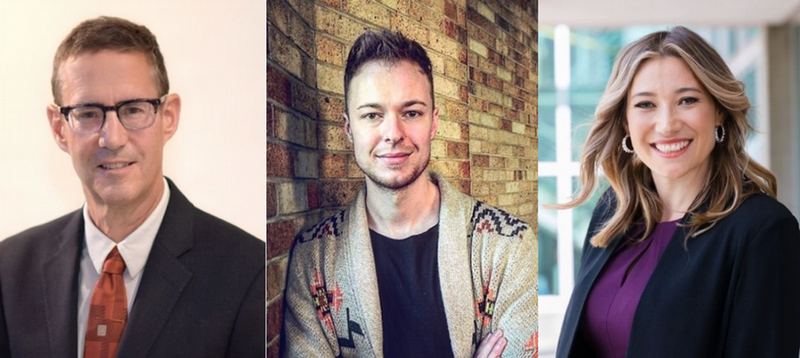
By Darla ReadAs artificial intelligence (AI) continues to shape the educational landscape, 12 University of Saskatchewan (USask) educators are leading the way in how they and their colleagues assess students.
Over the course of their year as Assessment Champions, these educators will be speaking at the upcoming USask Assessment Conference on April 29 and 30 to share their experiences with USask faculty and staff.
The 12 Assessment Champions, from nine different colleges, are currently designing, using, and sharing thoughtful and impactful assessment practices that strengthen student learning and success, according to Dr. Wendy James (PhD), Director, Gwenna Moss Centre for Teaching and Learning. She says their work is generating practical examples and emerging evidence that support broader assessment innovation across the institution.
“Assessment approaches in higher education have changed so much in the last couple of decades, even before Generative AI,” notes James. “There has never been a more important time for us to have real examples of good assessment practices in USask courses.”
Dr. Mark Klassen (PhD), associate professor in the Department of Accounting in Edwards School of Business, says educators need to recognize the structural changes to education that are occurring because of AI.
“The reality is that technical competencies that used to be highly prized by organizations can be completed in AI in seconds,” he explains. “The importance of interpretation, understanding, and decision making will become an elevated and critical skill for students. Educators will need to shift the assessments from technical competencies to judgement and assess their ability to make decisions.”
In addition to the assessment changes because of AI, there is also a growing emphasis on equity and inclusion, as well as evolving expectations from students and society, says Dr. Jordan Raymond (PhD), College of Education.
“Transforming assessment practices is essential to foster inclusive learning environments, support diverse learners, and prepare students for the complexities of today’s world,” he notes. “Now is the time to reimagine assessment as a tool for empowerment and growth, rather than simply a measure of performance. Assessment is not just about measuring learning—it’s about supporting it.”
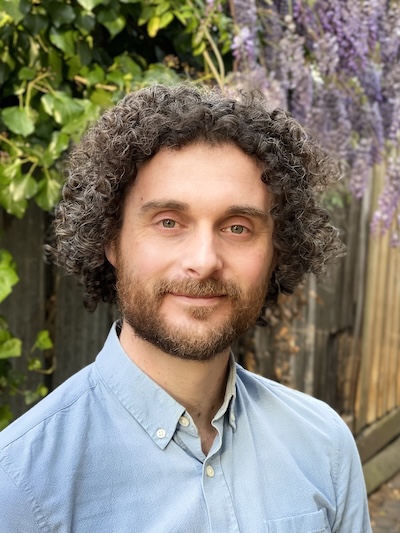 The first day of the conference will feature an online keynote address by Professor Phillip (Phill) Dawson, co-director of the Centre for Research in Assessment and Digital Learning (CRADLE) at Deakin University, Melbourne, Australia.
Dawson will draw on the presenter’s work as one of the leaders of Assessment Reform for a Time of Artificial Intelligence, a major Australian project funded by the national higher education regulator. He will attempt to explain how educators can design assessments that both uphold integrity and prepare students for the new AI reality.
Day two of the conference will feature in-person presentations from the 12 USask Assessment Champions that will help fellow educators explore common challenges, find effective approaches, and share practical insights drawn from the assessment work currently underway at USask.
Dr. Elaina Guilmette (PhD), assistant professor, School of Environment and Sustainability, says the abilities, skills, and preparation students require to be successful are continuously evolving with the needs of society.
“Technology has changed, students learn differently, and traditional assessments frequently raise issues of equity,” she explains. “Today’s learners need to demonstrate skills that enhance nurturing relationships, critical thinking, adaptability, collaboration, emotional intelligence, and digital literacy which are rarely captured in traditional assessments.”
Separate registration is required for both days. Visit the conference page for more information and registration details.