

Celebrating Fellows Simonne Horwitz and Kevin Chuang
Celebrating EDI and Indigenization Faculty Fellows from Arts and Science and Medicine
By Gwenna Moss Centre for Teaching and LearningDuring 2024-2026, USask’s EDI and Indigenization Faculty Fellows explored how Equity, Diversity, and Inclusion (EDI), Indigenization, and Open Educational Practices can be meaningfully woven into teaching, learning, and academic community life.
Through regular conversations, shared reflection, and mutual support, the Equity, Diversity, and Inclusion (EDI), and Indigenization Fellows formed a close-knit community of practice committed to creating more inclusive, culturally responsive, and accessible learning environments for students and colleagues alike. Their work has been both deeply personal and profoundly collaborative, inviting critical reflection on positionality, belonging, and the responsibilities of educators within a diverse university community. As the Fellowship concludes, the resources, course innovations, and reflections they shared demonstrate the many ways faculty can advance these commitments in their own contexts while supporting others to do the same.
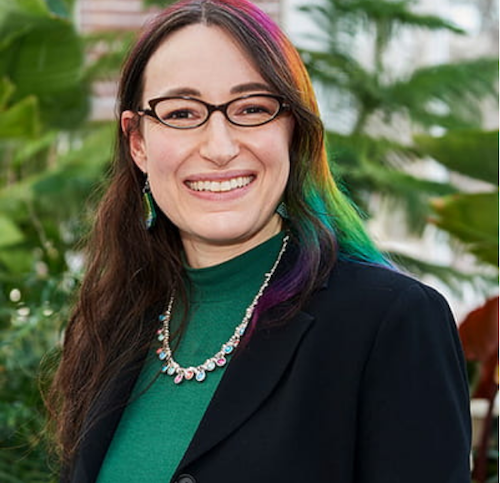
Dr. Simonne Horwitz's (D. Phil), Associate Professor of History at USask, work bridges African history, the history of medicine, Indigenous policy, colonialism, and comparative histories of oppression. Drawing on her South African roots and Oxford training, she is widely recognized for teaching that connects historical understanding to contemporary issues of social justice, equity, and belonging. Horowitz is known for creating transformative learning experiences, including her long-running Study Abroad program in South Africa, designed to help students become “active and engaged global citizens.” Her commitment to inclusive and student-centred education has earned recognition at the university and provincial level. Passionate about pedagogy, she has described her goal as striving to be a role model for queer and neurodiverse students while fostering classrooms where diverse perspectives are valued and respected. As an EDI and Indigenization Fellow, Horwitz exemplifies USask’s commitment to equity, intercultural understanding, and educational excellence through both her scholarship and her teaching leadership.
Horwitz’s Fellowship artifacts reflect her deep commitment to building learning environments that are safe, inclusive, and human-centred, even within large undergraduate classes. Through her “Getting to Know Each Other” submissions, she models vulnerability and authenticity by sharing aspects of her own experiences with neurodiversity and mental health, inviting students to bring their full selves into the classroom while affirming diverse identities, names, and pronouns. Her practice of personally responding to every student demonstrates a belief that meaningful learning begins with relationships, belonging, and recognition of each student as an individual. The Public Service Announcements embedded at the front of her lectures further reveal her ethic of care, connecting students with academic, wellness, accessibility, cultural, and community resources that support their success. Together, these approaches highlight Horwitz’s conviction that equitable teaching requires not only delivering content but also fostering community, reducing barriers, and creating conditions in which all students can thrive.
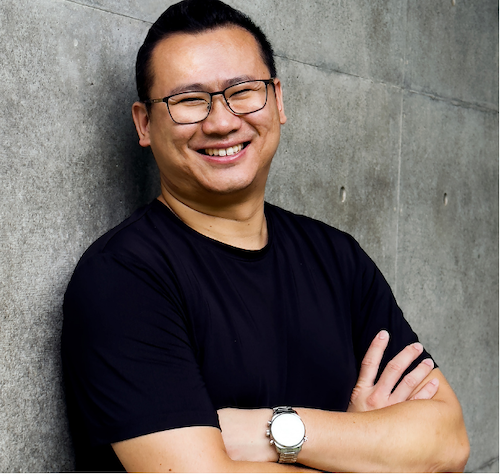
Dr. Kevin (Mu-Sen) Chuang (PhD), a lecturer in the Department of Anatomy, Physiology, and Pharmacology in the College of Medicine at USask, has a passion for creating collaborative spaces. Having taught anatomy and health sciences in Australia and Canada and holding a PhD focused on educational interaction and conversation analysis, Chuang brings a strong scholarly understanding of how students learn and engage with one another in complex educational settings. He describes himself as “devoted to making a difference in the world through interaction; one life and one relationship at a time,” a philosophy that reflects his emphasis on empathy and meaningful human connection in teaching.
During his time as an EDI and Indigenization Fellow, Chuang invited his colleagues to build a sense of community and articulated the motivation for the work as follows: “By fostering belonging, psychological safety, and inclusive engagement within our own departmental community, we create greater opportunities to embody and role model these values in our teaching, mentorship, collegial relationships, service work, and interactions with students, staff, trainees, and broader communities.” Underlying this work is Chuang’s belief that people are shaped by the environments and experiences in which they participate. If universities expect educators to bring principles of equity, inclusion, and Indigenization into their classrooms, his fellowship work asks whether the university environments experienced by educators also model and impart those values. His departmental project therefore sought to create space for colleagues with different perspectives to contribute, listen to one another, and participate in shaping their shared community. He also learned from Indigenous leaders and community members and through the Fellowship about practices such as sharing circles, reinforcing the importance of creating space for people to speak, listen, and learn from perspectives different from their own.
Chuang’s Fellowship artifacts and reflections extend this same philosophy into his teaching by examining assessment as a critical site for EDI and Indigenization practice, specifically within anatomy and health sciences education. He considered how assessments represent student learning in relation to course outcomes and articulated six design principles for fostering equity, student agency, and accountability. Acknowledging that concept-dense anatomy courses can become sites of “academic pressure, constraint, and inequity, particularly when course grades depend predominantly on high-stakes, time-limited examinations,” Chuang explored how assessment could be reconfigured to meet the intended learning outcomes while supporting students’ well-being and fostering a sense of belonging and community in a large undergraduate course. The artifact concludes that assessment design is not merely a technical exercise, but an interpretive and ethical practice through which EDI and Indigenization commitments can be enacted while strengthening how learning is recognized and evaluated. Together, his departmental and teaching work reflect a common conviction: the environments people experience help shape the environments they create for others.
Engage with these EDI and Indigenization artifacts and reflections in HARVEST
Simonne Horwitz - Fellowship artifacts and reflections
Kevin (Mu-Sen) Chuang - Fellowship artifacts and reflections
Title image credit: USask | Flickr
This article was created with the assistance of AI tools, as described in the GMCTL AI Disclosure Statement.